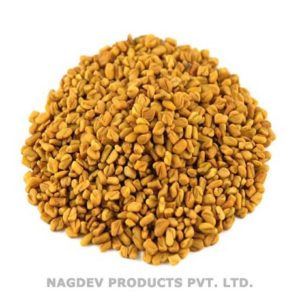

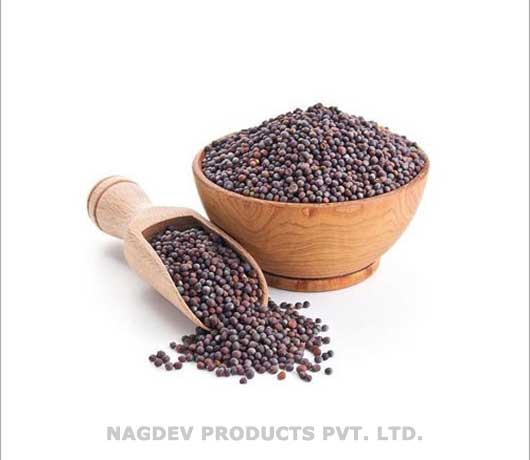
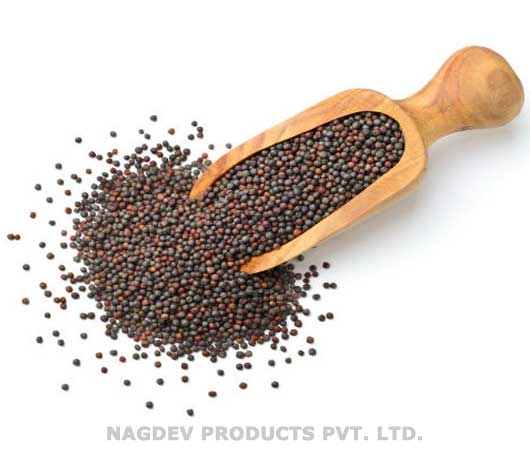
Rye

Name: Rye
Origin: India
GMO Status: Not Genetically Modified
Shelf Life: 1 Year From Production Date
Storage Condition: Cool and Dry (20 C)
Specification: Detail Specification Will Be Provided Upon Request.
Description :
Rye, Secale cereale, is an herbaceous annual or biennial in the family Poaceae that is grown primarily for its grain. Rye has an erect slender stem topped with a curved spike which is 7–15 cm (3–6 in) length. The head is made up of individual spikelets each with two florets that produce 1–2 kernels. The spikelets and arranged alternately along the length of the head. The leaves of the plant grow from nodes on the stem and are lance-like blades, blue-green in color. Rye can reach 1–3 m (3.3–10 ft) in height and is either grown as an annual (spring rye) or biennial (winter rye). Modern rye does not occur naturally but is likely derived from wild ancestors found in Afghanistan, Iran and the Middle East.

Uses :
Rye grain can be used to make alcoholic drinks such as whiskey, gin, and beer or used as a livestock feed. Rye flour can be used to make bread. Rye is extensively grown as a winter cover crop to prevent soil erosion and the mature stems are commonly used as animal bedding.

Health Benefits:
In the U.S., where wheat products are the norm, goods made from rye are rarely given premier shelf space on grocery store shelves and, out of sight, remain out of mind. But foods made from whole rye are worth looking for, not only for their rich, hearty taste but for the numerous health benefits they supply.

Rye's Fiber Promotes Weight Loss Rye is a good source of fiber, which is especially important in the United States since most Americans do not get enough fiber in their diets. Rye fiber is richly endowed with noncellulose polysaccharides, which have the exceptionally high water-binding capacity and quickly give a feeling a fullness and satiety, making rye bread a real help for anyone trying to lose weight.
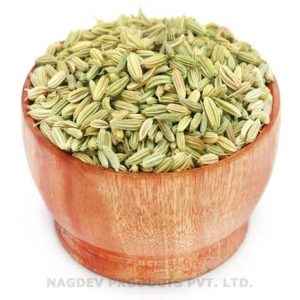
Description

Description :
Rye, Secale cereale, is an herbaceous annual or biennial in the family Poaceae that is grown primarily for its grain. Rye has an erect slender stem topped with a curved spike which is 7–15 cm (3–6 in) length. The head is made up of individual spikelets each with two florets that produce 1–2 kernels. The spikelets and arranged alternately along the length of the head. The leaves of the plant grow from nodes on the stem and are lance-like blades, blue-green in color. Rye can reach 1–3 m (3.3–10 ft) in height and is either grown as an annual (spring rye) or biennial (winter rye). Modern rye does not occur naturally but is likely derived from wild ancestors found in Afghanistan, Iran and the Middle East.

Uses :
Rye grain can be used to make alcoholic drinks such as whiskey, gin, and beer or used as a livestock feed. Rye flour can be used to make bread. Rye is extensively grown as a winter cover crop to prevent soil erosion and the mature stems are commonly used as animal bedding.

Health Benefits:
In the U.S., where wheat products are the norm, goods made from rye are rarely given premier shelf space on grocery store shelves and, out of sight, remain out of mind. But foods made from whole rye are worth looking for, not only for their rich, hearty taste but for the numerous health benefits they supply.

Rye’s Fiber Promotes Weight Loss Rye is a good source of fiber, which is especially important in the United States since most Americans do not get enough fiber in their diets. Rye fiber is richly endowed with noncellulose polysaccharides, which have the exceptionally high water-binding capacity and quickly give a feeling a fullness and satiety, making rye bread a real help for anyone trying to lose weight.