

Description
Description :
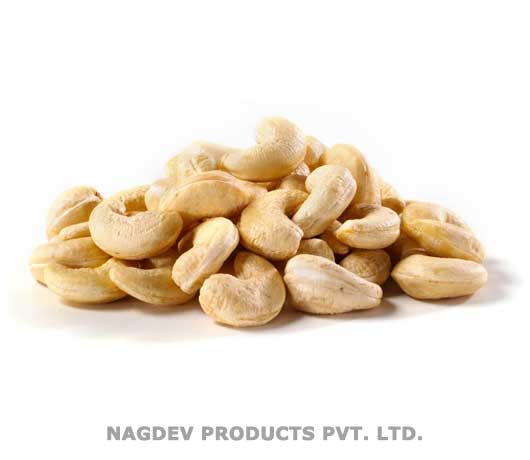
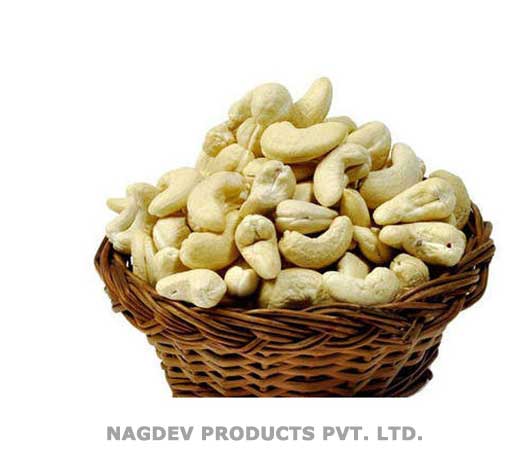
Cashew, Anacardium occidentale, is an evergreen tree in the family Anacardiaceae grew for its edible fruits (nuts). The cashew tree has a branching main trunk and characteristic domed crown. The thin foliage of the tree is limited to the ends of the branches and is made up of oval-oblong leathery, shiny dark green leaves. The leaves are smooth with pronounced veins and midrib and possess petioles that are swollen at their base. The tree produces numerous pinkish-white flowers on drooping panicles and a kidney-shaped true fruit (nut) which is approximately 3 cm (1.2 in) long with a gray-brown shell and develops from a fleshy accessory fruit, sometimes referred to as the ‘cashew apple’. The cashew apple is pear-shaped and red to yellow in color. Cashew trees can reach a height of 12 m (39.4 ft) and have an economic lifespan of 25 years after which time they are replaced in commercial plantations. Cashew originates from Brazil.
Uses :
Cashew nuts are usually eaten after roasting either as a snack or as an ingredient in other dishes. Cashew apples are also edible and can be eaten fresh or cooked in a variety of dishes. It may also be used to flavor drinks or be fermented to produce vinegar or alcoholic beverages.
Health Benefits:
Heart-protective Monounsaturated Fats Not only do cashews have a lower fat content than most other nuts, but approximately 82% of their fat is also unsaturated fatty acids, plus about 66% of this unsaturated fatty acid content are heart-healthy monounsaturated fats, similar to those found in olive oil. Studies of diabetic patients show that monounsaturated fat, when added to a low-fat diet, can help to reduce high triglyceride levels. Triglycerides are a form in which fats are carried in the blood, and high triglyceride levels are associated with an increased risk for heart disease, so ensuring you have some monounsaturated fats in your diet by enjoying cashews is a good idea, especially for persons with diabetes.
