Dill Seeds

Name: Dill Seeds
Origin: India
Shelf Life: 1 Year From Production Date.
GMO Status: Not Genetically Modified.
Storage Condition: Cool And Dry (20 C).
Description :
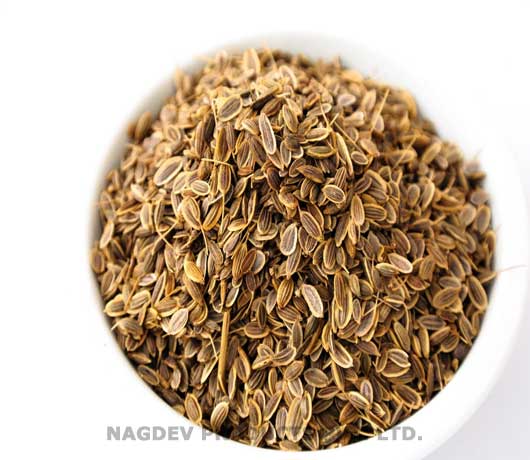
Dill Seed, botanical name Anethum graveolens, is an annual herb in the celery family Apiaceae. Other members of this family include carrots and parsley. Dill seed is also known as American dill, dilly, European dill, and seed dill. Dill Seed is not technically a seed, but the flat, oval, dark brown whole fruits of the herb. Dill Weed refers to the leaf and stem of the plant.

The dill plant is one of those rare plants that produce both an herb and a spice, others include Coriander, with the fruit known as Coriander Seeds and the leaves as Cilantro, and Fenugreek with the fruit known as Fenugreek Seeds and the leaves as Fenugreek Leaves. Although part of the same plant, dill seed, and dill weed have such different flavor profiles that chefs would never substitute one for the other!

Uses :
The French and the Italians are not big fans of dill seed, as they tend to prefer fennel in their cooking. Dill seed has a much better reputation in German, Indian, Russian and Scandinavian cuisine.

Dill seeds are popular in Indonesian and Malaysian meat dishes, are used in condiments in Asia and in bread in Sweden. In the US, they are most frequently used in pickling. While Dill Seed and Dill Weed are used in completely different ways, they also sometimes are paired together most notably in pickling, salad dressings, sauces, and vinegar.

Dill Seed is good with cabbage, onion, potatoes, and pumpkin and can also be sprinkled over casseroles before baking.

Works well in combination with chili powder, coriander seed, cumin, garlic, ginger, mustard seed, and turmeric.

Health Benefits:
Dill is packed with micronutrients that provide health benefits. For example, a 100-gram serving of dill boosts your vitamin A intake. Vitamin A is a fat-soluble vitamin that helps you to maintain healthy vision, skin, immune function, growth, and reproductive health. You'll also get a significant boost of vitamin C, an important antioxidant that helps your body to resist infection.

Dill is also a good source of fiber, folate (important for cell division and production of DNA), calcium for healthy bones, riboflavin for cell function and development, manganese, and iron.

Description

Description :
Dill Seed, botanical name Anethum graveolens, is an annual herb in the celery family Apiaceae. Other members of this family include carrots and parsley. Dill seed is also known as American dill, dilly, European dill, and seed dill. Dill Seed is not technically a seed, but the flat, oval, dark brown whole fruits of the herb. Dill Weed refers to the leaf and stem of the plant.

The dill plant is one of those rare plants that produce both an herb and a spice, others include Coriander, with the fruit known as Coriander Seeds and the leaves as Cilantro, and Fenugreek with the fruit known as Fenugreek Seeds and the leaves as Fenugreek Leaves. Although part of the same plant, dill seed, and dill weed have such different flavor profiles that chefs would never substitute one for the other!

Uses :
The French and the Italians are not big fans of dill seed, as they tend to prefer fennel in their cooking. Dill seed has a much better reputation in German, Indian, Russian and Scandinavian cuisine.

Dill seeds are popular in Indonesian and Malaysian meat dishes, are used in condiments in Asia and in bread in Sweden. In the US, they are most frequently used in pickling. While Dill Seed and Dill Weed are used in completely different ways, they also sometimes are paired together most notably in pickling, salad dressings, sauces, and vinegar.

Dill Seed is good with cabbage, onion, potatoes, and pumpkin and can also be sprinkled over casseroles before baking.

Works well in combination with chili powder, coriander seed, cumin, garlic, ginger, mustard seed, and turmeric.

Health Benefits:
Dill is packed with micronutrients that provide health benefits. For example, a 100-gram serving of dill boosts your vitamin A intake. Vitamin A is a fat-soluble vitamin that helps you to maintain healthy vision, skin, immune function, growth, and reproductive health. You’ll also get a significant boost of vitamin C, an important antioxidant that helps your body to resist infection.

Dill is also a good source of fiber, folate (important for cell division and production of DNA), calcium for healthy bones, riboflavin for cell function and development, manganese, and iron.