
Legume

Name: Legume
Origin:  India
Shelf Life: 1 Year From Production Date.
Storage Condition: Cool Dry (20 C)
Specification: Detail Specification Will Be Provided Upon Request.
Description :
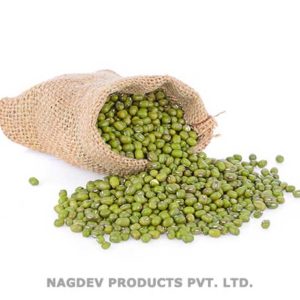
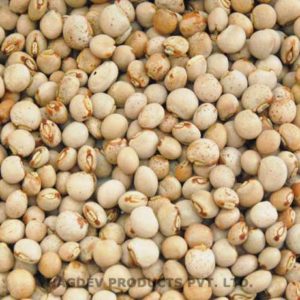
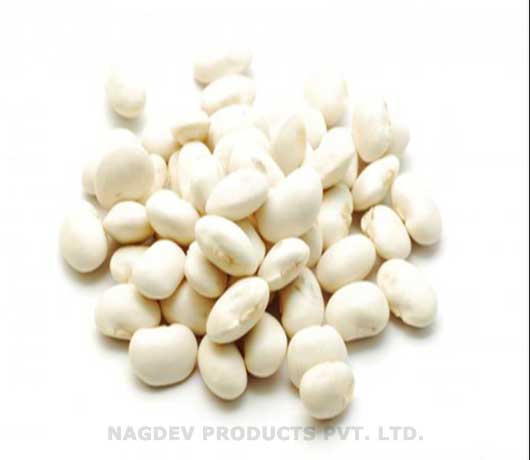
A legume is a simple, dry fruit that is contained within a shed or a pod. Legumes are seeds, fruits, or plants that are normally known for their high protein, carbohydrate, and fat content. There are about 18,000 species of legumes around the world. Because legumes are so varied, each one has a unique nutritional profile. The most popular types of legumes include, but are not limited to, tamarinds, peanuts, soybeans, carobs, mesquites, lupin beans, lentils, peas, alfalfa, and clover. Legume fruits normally develop from carpels and open on two sides, like as on a pod. When dried, legumes are known as pulses.

Uses :
Legumes have been a major source of nutrition for the human race since prehistoric ages. Health Guidance reports that legumes are the second-largest food source for humans. Rich in protein, iron, phosphorous, calcium, niacin, lysine and amino acids, legumes provide flavor and nutrition to cuisines the world over. The seeds of legumes, referred to as pulses, can be dried and stored for long periods of time, creating a valuable food source that can be canned, pressure cooked or boiled when needed.

Health Benefits:
The consumption of legumes has been found to prevent certain diseases when they replace large amounts of saturated fats and refined carbohydrates. Oregon State University’s Linus Pauling Institute states that legumes are beneficial in preventing type 2 diabetes, certain cancers and cardiovascular diseases when used in combination with a balanced diet of fruits, vegetables, and lean proteins. Legumes possess low glycemic-index values, soluble fiber, and folate, all necessary components for optimal health and wellness

Legumes produce a wealth of gums, tannins, resins, dyes and essential oils that are used in the manufacture of items such as drugs, perfumes, cooking oils and colorants. These components are obtained from the bark, wood, foliage, and pulses of legumes.
Description

Description :
A legume is a simple, dry fruit that is contained within a shed or a pod. Legumes are seeds, fruits, or plants that are normally known for their high protein, carbohydrate, and fat content. There are about 18,000 species of legumes around the world. Because legumes are so varied, each one has a unique nutritional profile. The most popular types of legumes include, but are not limited to, tamarinds, peanuts, soybeans, carobs, mesquites, lupin beans, lentils, peas, alfalfa, and clover. Legume fruits normally develop from carpels and open on two sides, like as on a pod. When dried, legumes are known as pulses.

Uses :
Legumes have been a major source of nutrition for the human race since prehistoric ages. Health Guidance reports that legumes are the second-largest food source for humans. Rich in protein, iron, phosphorous, calcium, niacin, lysine and amino acids, legumes provide flavor and nutrition to cuisines the world over. The seeds of legumes, referred to as pulses, can be dried and stored for long periods of time, creating a valuable food source that can be canned, pressure cooked or boiled when needed.

Health Benefits:
The consumption of legumes has been found to prevent certain diseases when they replace large amounts of saturated fats and refined carbohydrates. Oregon State University’s Linus Pauling Institute states that legumes are beneficial in preventing type 2 diabetes, certain cancers and cardiovascular diseases when used in combination with a balanced diet of fruits, vegetables, and lean proteins. Legumes possess low glycemic-index values, soluble fiber, and folate, all necessary components for optimal health and wellness

Legumes produce a wealth of gums, tannins, resins, dyes and essential oils that are used in the manufacture of items such as drugs, perfumes, cooking oils and colorants. These components are obtained from the bark, wood, foliage, and pulses of legumes.