
Description
Description :
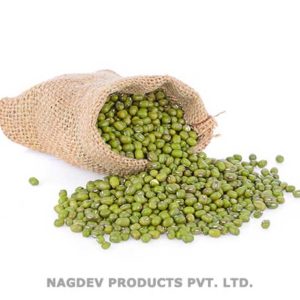
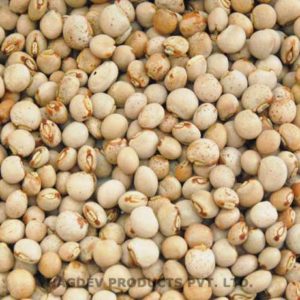
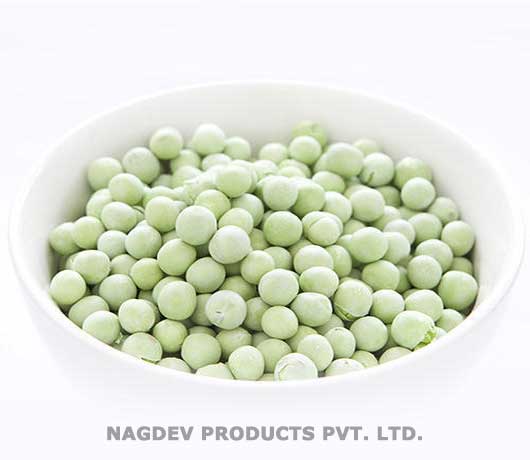
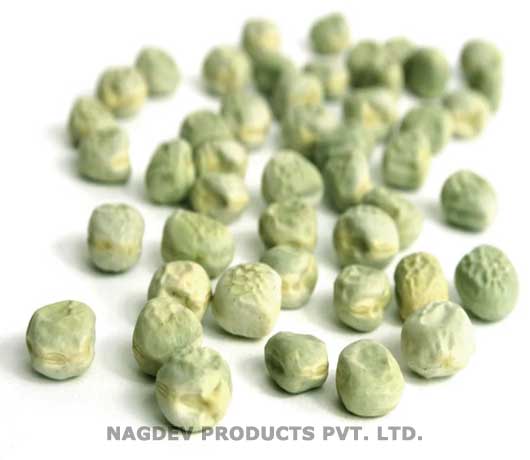
When fresh peas are not available or when you want to enjoy a starchier, hardier flavored legume, dried peas are perfect. They are available either whole or split, the latter being appropriately called “split peas.” While we generally associate dried peas with a deep green color, they are also available in a yellow color, which offers a more delicate flavor and is the type generally preferred in northern European countries. Dried peas are produced by harvesting the peapods when they are fully mature and then drying them. Peas are known scientifically as Pisum sativum.
Uses :
Tips for Preparing Dried Peas Before preparing dried peas, whether whole or split, inspect and remove any debris or dirt. Whole peas need to be soaked in cold water for at least eight hours before cooking, while split peas do not need this extra preparation. To prepare peas, place the legumes in a saucepan using three cups of freshwater for each cup of peas. Bring to a boil and then reduce to a simmer and cover. Whole peas generally take about an hour to become tender while split peas only take about 30 minutes. The foam may form during the first 15 minutes of cooking, which can simply be skimmed off.
Health Benefits:
Dried Peas are Packed with Fiber Check a chart of the fiber content in foods and you’ll see legumes leading the pack. Dried peas, like other legumes, are rich in soluble fiber. Soluble fiber forms a gel-like substance in the digestive tract that binds bile (which contains cholesterol) and carries it out of the body. Research studies have shown that insoluble fiber not only helps to increase stool bulk and prevent constipation but also helps prevent digestive disorders like irritable bowel syndrome and diverticulosis. According to our rating system, dried peas are a very good source of dietary fiber.
![Gram Cultivation [Urad Dal]](https://www.nagdevproducts.com/wp-content/uploads/2019/10/Gram-Cultivation-Urad-Dal-300x300.jpg)