
Nuts

Name: Nuts
Origin:  India
GMO Status: Not Genetically Modified.
Shelf Life: 1 Year From Production Date.
Storage Condition: Cool & Dry (20 C)
Specification: Detail Specification Will Be Provided Upon Request.
Description :
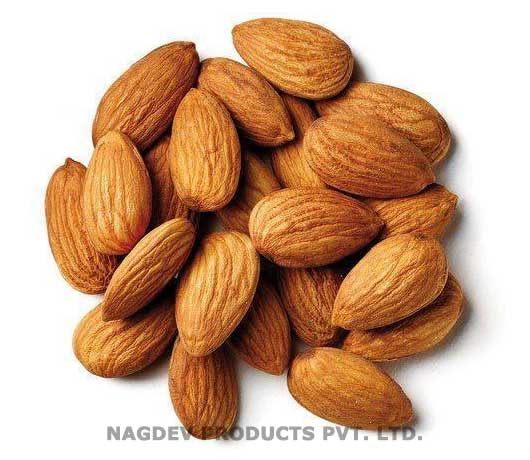
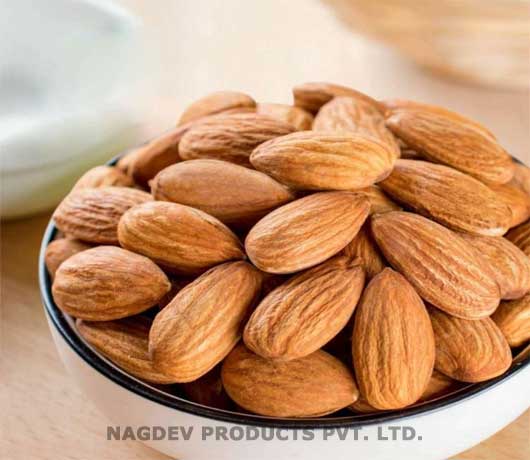
The almond tree, Prunus dulcis, is a deciduous tree in the family Rosaceae which is grown for its edible seeds (nuts). The tree has brown or gray bark and either an erect or weeping growth habit depending on the variety. The trunk can reach 30 cm (12 in) in diameter. Almond leaves are 7.5–13 cm (3–5 in) long with a serrated edge and grow alternately on the branches. The tree produces white to pale pink flowers and hairy green fruits which are oblong in shape. The fruit is a drupe, containing a single seed. The seed is protected by a hard brown shell. At maturity, the flesh of the fruit becomes leathery and splits to reveal the nut inside. Nuts generally measure 3.5 to 6 cm (1.4–2.4 in) in length. Almond trees can reach heights between 4 and 10 m (13–33 ft) and have a commercial lifespan of between 30 and 40 years. Almond may be referred to by variety and this includes bitter almond nuts are generally about long and may also be referred to as sweet or bitter almond depending on variety and originates from wild species found in Central and Southwest Asia.

Uses :
The almond nut is eaten raw or processed into butter, flour, extract, oil, paste, syrup, and milk. Almond oil is used as a flavoring agent in baked goods, perfumery, and medicines. Sweet almond oil is used for cosmetic creams and lotions.

Health Benefits:
Almonds Surpass Whole Wheat Muffins for Improving Blood Fats Even individuals who are experiencing problems with their blood fat levels may not automatically need to shy away from high-fat food snacks like almonds. Researchers at the University of Toronto, Canada have shown that a 2.5-ounce snack of almonds each day can do a better job in lowering blood LDL and raising blood HDL than a whole wheat muffin having the same amount of fat and fiber as almonds. They also found that markers of antioxidant status in the body could be improved with the incorporation of almond snacks. It was the many phytonutrients (especially flavonoids) found in almonds that were believed to account for some of these special almond benefits.
Description

Description :
The almond tree, Prunus dulcis, is a deciduous tree in the family Rosaceae which is grown for its edible seeds (nuts). The tree has brown or gray bark and either an erect or weeping growth habit depending on the variety. The trunk can reach 30 cm (12 in) in diameter. Almond leaves are 7.5–13 cm (3–5 in) long with a serrated edge and grow alternately on the branches. The tree produces white to pale pink flowers and hairy green fruits which are oblong in shape. The fruit is a drupe, containing a single seed. The seed is protected by a hard brown shell. At maturity, the flesh of the fruit becomes leathery and splits to reveal the nut inside. Nuts generally measure 3.5 to 6 cm (1.4–2.4 in) in length. Almond trees can reach heights between 4 and 10 m (13–33 ft) and have a commercial lifespan of between 30 and 40 years. Almond may be referred to by variety and this includes bitter almond nuts are generally about long and may also be referred to as sweet or bitter almond depending on variety and originates from wild species found in Central and Southwest Asia.

Uses :
The almond nut is eaten raw or processed into butter, flour, extract, oil, paste, syrup, and milk. Almond oil is used as a flavoring agent in baked goods, perfumery, and medicines. Sweet almond oil is used for cosmetic creams and lotions.

Health Benefits:
Almonds Surpass Whole Wheat Muffins for Improving Blood Fats Even individuals who are experiencing problems with their blood fat levels may not automatically need to shy away from high-fat food snacks like almonds. Researchers at the University of Toronto, Canada have shown that a 2.5-ounce snack of almonds each day can do a better job in lowering blood LDL and raising blood HDL than a whole wheat muffin having the same amount of fat and fiber as almonds. They also found that markers of antioxidant status in the body could be improved with the incorporation of almond snacks. It was the many phytonutrients (especially flavonoids) found in almonds that were believed to account for some of these special almond benefits.